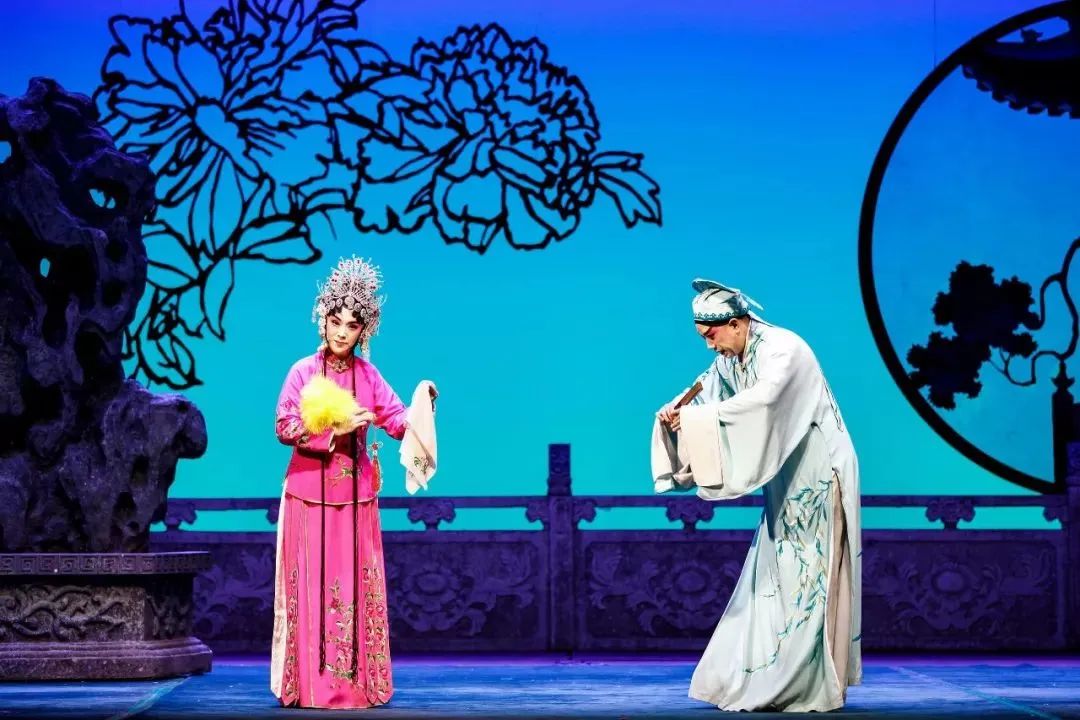
Pingju Opera
Overview
Pingju Opera, also known as Ping Opera, is one of the five major traditional Chinese operas, primarily prevailing in northern China. The opera form evolved from Lianhualao, a folk ditty popular in Northern China’s Hebei province, integrating elements from Hebei clapper opera and Peking opera, alongside other vernacular performing arts of northeastern China.
By the early 20th century, Pingju had grown into an independent operatic form. In recognition of its cultural significance, Pingju Opera was inscribed on China's national intangible heritage list in 2006.
Historical Development
Pingju Opera has its roots in the late Qing Dynasty (1644-1911) and has expanded significantly since the founding of the People's Republic of China in 1949. This period saw the creation of numerous modern stories and plays based on historical events, which contributed to the opera's growth and popularity.
The art form has undergone various reforms, particularly between 1909 to 1921, with influences from Peking opera and Hebei clapper opera, leading to the establishment of a comprehensive category of roles and a refined musical accompaniment.
Role Types
Initially, Pingju Opera had a simple role structure, consisting mainly of male and female characters. However, after significant reform, it developed a diverse range of role types. Female roles (Dan) include Qingyi (mature, virtuous women), Huadan (young unmarried women), Laodan (old women), and Caidan (comic women). Male roles (Sheng) consist of Xiaosheng (young men) and Laosheng (old men). Other roles include Hualian (Jing, the painted-face role) and the clown role (Chou). This role diversification enriched the artistic expression of Pingju Opera.
Themes and Repertoire
Pingju Opera typically narrates stories where virtue and righteousness triumph over evil. The librettist Cheng Zhaocai, regarded as the founding father of Pingju Opera, wrote several plays reflecting contemporary life, such as the classic "Third Sister Yang Files a Lawsuit".
The themes often resonate with both past and present societal issues, making the art form a cultural commentary. This thematic diversity has helped Pingju Opera maintain its relevance and appeal across different generations.
Musical Elements
The musical accompaniment of Pingju Opera features a mix of string, wind, and percussion instruments. Percussion instruments include drums, bangzi (clappers), gongs, and small cymbals. String and wind instruments incorporate banhu, erhu, zhonghu, dihu, and pipa lute. Western instruments such as bass, brass-wind instruments, cello, and violin have also been integrated, showcasing the opera's adaptability and openness to innovation.
Notable Figures and Troupes
Several artists and troupes have significantly contributed to Pingju Opera’s development. Notable artists include Cheng Zhaocai, Li Zaiwen (Xiao Bai Yushuang), Yang Shumin (Xin Fengxia) and Zhang Defu, each founding their own schools of performance and enriching the Pingju Opera tradition.
The Shenyang Pingju Opera Troupe, established in 1959 through the merging of three local troupes, has been instrumental in producing high-quality plays.
Contemporary Relevance
Pingju Opera continues to thrive and evolve in modern times, thanks in part to dedicated performers like Wang Jing, who strive to keep the art form vibrant and relevant.
Modern interpretations and adaptations, such as the integration of contemporary dance with traditional operatic elements, appeal to younger audiences and expand the opera's reach. Educational initiatives and strategic performances in smaller theaters also play a vital role in engaging new audiences and preserving this cultural heritage. Through efforts in both innovation and tradition, Pingju Opera remains a dynamic element of China's cultural landscape. Article reference1. Pingju Opera: Flower Is a Matchmaker. chinaservicesinfo.com. 20232. Pingju Opera: An operatic art created to remark upon both the past and the present. chinaservicesinfo.com. 20193. Shenyang Pingju Opera Troupe. chinaservicesinfo.com. 20174. A specialist in her aria. chinadaily.com.cn. 2021Photo Gallery(9 pictures)CategoriesArtsTagOpera and DramaIntangible Cultural HeritageRelatedZhang HuodingCatalogue1. Overview2. Historical Development3. Role Types4. Themes and Repertoire5. Musical Elements6. Notable Figures and Troupes7. Contemporary Relevance- - - []








